Sculptra for Collagen Stimulation
Why biostimulators are trending in 2026
Post Summary
One of the fastest‑growing conversations in aesthetics right now centers around collagen banking and long‑term facial rejuvenation. A question clients frequently ask is: “What’s the difference between filler and Sculptra?” Sculptra for collagen stimulation has become a leading non‑surgical option for clients seeking gradual, natural‑looking volume restoration and structural support rather than instant plumping. This article explains how Sculptra works, who it’s best for, how it compares to traditional fillers, what results look like over time, and how Sculptra for collagen stimulation fits into a long‑term aesthetic plan at Rejuvalase.

Why collagen stimulation is trending now
The aesthetic industry is shifting away from one‑time volume correction toward proactive structural aging management. Instead of asking, “How do I fix this line?” clients are asking:
-
How do I slow facial aging?
-
How do I maintain collagen as I age?
-
What treatments look the most natural long term?
Collagen loss begins as early as the mid‑20s and accelerates over time. According to research indexed by the National Institutes of Health, collagen degradation and reduced fibroblast activity contribute significantly to visible skin aging (Source: nih.gov – Dermatoendocrinol. 2012;4(3):253–258).
Because of this, treatments designed to stimulate collagen production rather than simply replace lost volume are becoming increasingly popular.
That’s where Sculptra for collagen stimulation enters the conversation.

What is Sculptra?
Sculptra is an FDA‑approved injectable biostimulator made from poly‑L‑lactic acid (PLLA), a biocompatible compound that has been used safely in medical applications for decades.
Unlike hyaluronic acid fillers, which provide immediate volume, Sculptra for collagen stimulation works by gradually encouraging your body to produce its own collagen over time.
Instead of “filling,” it stimulates.
As collagen rebuilds within the skin’s deeper layers, facial structure and firmness improve progressively and subtly.
How Sculptra for collagen stimulation works
After injection, Sculptra particles act as a collagen stimulator beneath the skin. The process generally follows this pattern:
-
Sculptra is strategically injected into targeted facial areas.
-
The product creates a scaffold under the skin.
-
Fibroblasts are stimulated to produce new collagen.
-
Gradual thickening and strengthening of the dermis occurs over several weeks to months.
NIH‑indexed research on poly‑L‑lactic acid confirms its mechanism of action involves controlled collagen neogenesis, leading to improved dermal thickness and structural support over time.
Because Sculptra for collagen stimulation works gradually, results appear naturally — often described as “looking like yourself, just refreshed.”
Sculptra vs traditional dermal fillers
A common client question is how Sculptra compares to hyaluronic acid fillers.
| Feature | Sculptra | Traditional Filler |
|---|---|---|
| Mechanism | Stimulates collagen | Adds immediate volume |
| Speed of Results | Gradual | Immediate |
| Longevity | Long‑lasting structural change | Temporary volume |
| Best For | Global volume loss | Specific lines or folds |
While fillers are excellent for targeted contouring, Sculptra for collagen stimulation is often chosen for full‑face structural rejuvenation.
In many cases, a combination approach may be recommended depending on the client’s anatomy and aesthetic goals.
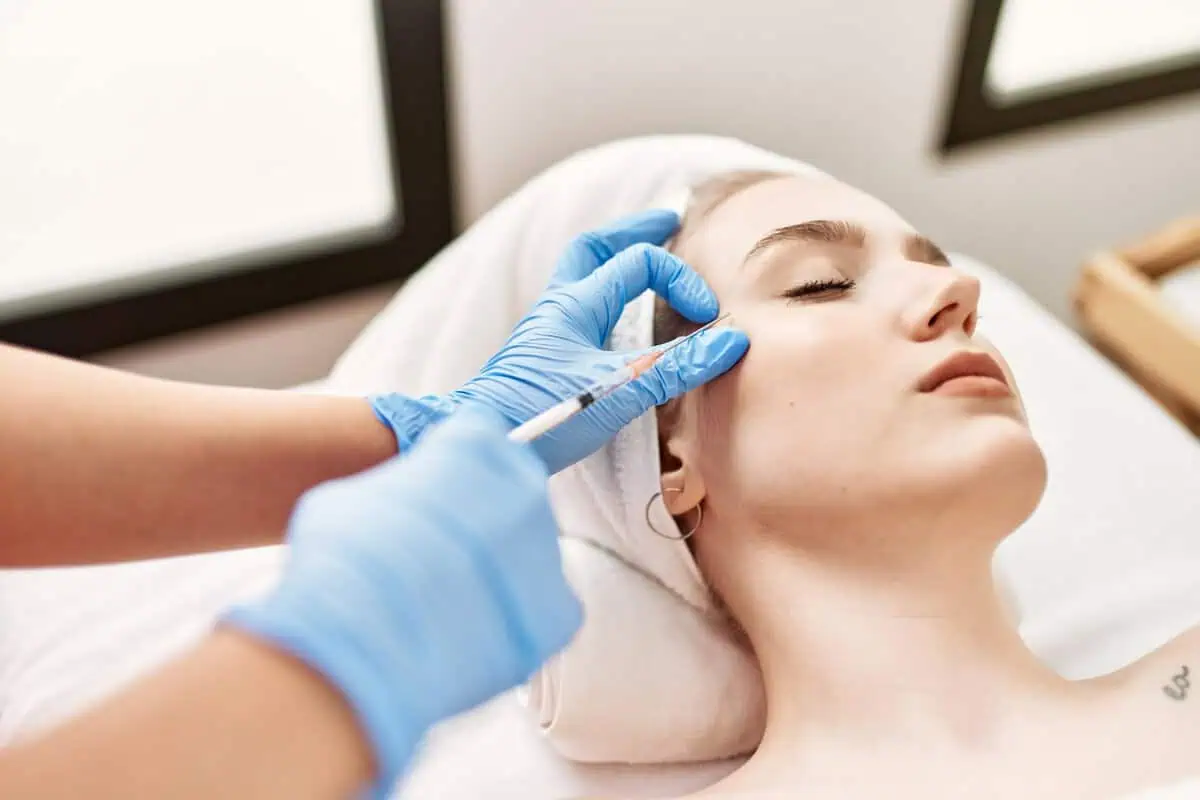
Ideal candidates for Sculptra
Sculptra is often well‑suited for clients who:
-
Notice facial volume loss in cheeks or temples
-
Want subtle, progressive results
-
Prefer long‑term structural improvement
-
Are beginning preventative collagen support
-
Want to avoid an overfilled appearance
Because Sculptra stimulates natural processes, it appeals to individuals focused on aging gracefully rather than dramatically altering features.
What areas can be treated?
Sculptra for collagen stimulation is commonly used in:
-
Cheeks
-
Temples
-
Jawline support
-
Lower face
-
Smile line region (structural correction, not direct filling)
It is typically not used for lips or delicate under‑eye areas.
At Rejuvalase, treatment planning focuses on balance and restoring structural harmony rather than isolated correction.
What to expect during treatment
A Sculptra appointment typically includes:
-
Facial assessment and photography
-
Strategic injection mapping
-
Diluted product placement in deeper dermal layers
-
Post‑treatment massage instructions
Most clients experience mild swelling immediately after treatment, which subsides within several days. The initial fullness is usually temporary due to the sterile water used for dilution.
True collagen rebuilding with Sculptra for collagen stimulation occurs gradually over weeks.

When results become visible
One of the most important distinctions with Sculptra is timing.
Unlike fillers, results are not immediate. Instead:
-
Early subtle improvement may appear within weeks
-
Noticeable structural support develops gradually
-
Full results may evolve over several months
Because collagen rebuilding takes time, the changes appear organic and integrated.
NIH literature discussing PLLA notes progressive dermal remodeling rather than instant augmentation (nih.gov reference: Dermatologic Surgery, 2004;30(12):1496‑1503).
How many sessions are needed?
Sculptra for collagen stimulation is often performed in a series, typically spaced weeks apart. The exact number of sessions depends on:
-
Degree of collagen loss
-
Age
-
Facial structure
-
Desired level of support
Maintenance treatments may be performed over time as part of a long‑term aesthetic strategy.
Why “collagen banking” matters
“Collagen banking” is a term trending heavily in 2026 aesthetics discussions. It refers to proactively stimulating collagen before advanced aging sets in.
Instead of chasing deep folds later, clients are investing earlier in regenerative strategies like Sculptra for collagen stimulation to maintain skin integrity.
Because collagen loss is progressive, early intervention can often produce smoother, more stable long‑term outcomes.
Safety considerations
Sculptra has a long clinical history when administered correctly. Proper injection technique, dilution, and post‑procedure massage are important to:
-
Promote even collagen stimulation
-
Reduce risk of nodules
-
Support smooth integration
As with any injectable treatment, provider expertise significantly impacts safety and results.
NIH‑indexed studies emphasize proper reconstitution and placement technique when working with poly‑L‑lactic acid products.

How Sculptra fits into a Rejuvalase treatment plan
At Rejuvalase, Sculptra for collagen stimulation is often part of a broader facial rejuvenation strategy. It may be combined with:
-
Neuromodulators for dynamic lines
-
Targeted dermal fillers for contour precision
-
Skin resurfacing treatments
-
Medical‑grade skincare
Clients can learn more about complementary injectable services here:
👉 https://rejuvalase.com/services/dermal-fillers/
The goal is structural harmony, not overcorrection.
What Sculptra cannot do
Clear expectations are important.
Sculptra for collagen stimulation:
-
Does not produce instant dramatic volume
-
Is not designed for lips or tear troughs
-
Does not replace surgical lifting for severe laxity
It is best viewed as a long‑term regenerative strategy rather than a quick cosmetic fix.
Frequently Asked Questions
1. Is Sculptra permanent?
No. The stimulated collagen can last a long time, but natural aging continues.
2. How quickly will I see results?
Improvements develop gradually over several weeks to months.
3. Does Sculptra hurt?
Most clients tolerate it well with comfort measures during treatment.
4. Can Sculptra look overfilled?
Because results are gradual and collagen‑based, outcomes typically appear subtle and natural.
5. Is Sculptra better than filler?
They serve different purposes; many clients benefit from a strategic combination.